
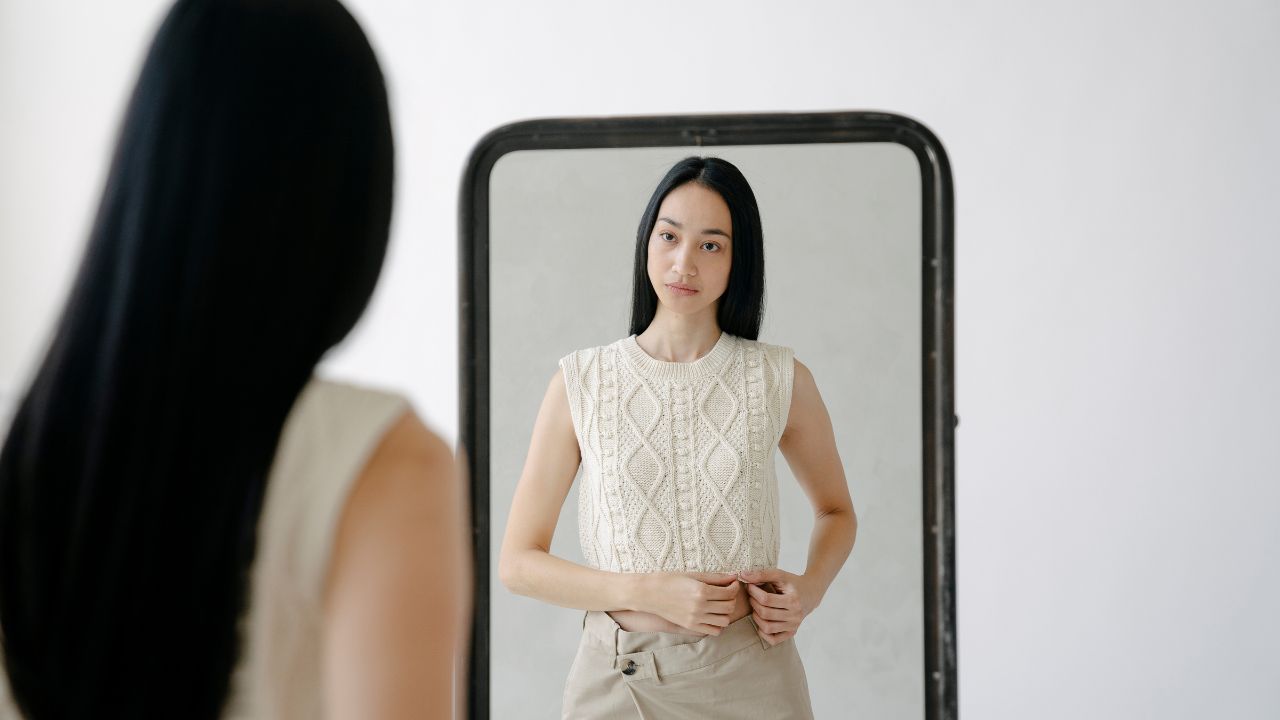
Fashion is not only about following trends or wearing expensive clothes. A polished appearance comes from choosing clothing that fits well, suits your personality, and works for the occasion. Even a stylish outfit can lose its impact because of small fashion mistakes such as poor fit, excessive accessories, unsuitable colors, or neglected grooming. Understanding these common mistakes can help you create a more confident and attractive look without completely changing your wardrobe. Whether you prefer casual, professional, classic, or modern fashion, avoiding a few common style errors can make your outfits look more intentional and refined.
Wearing Clothes That Do Not Fit Properly
One of the most common fashion mistakes is wearing clothing with an incorrect fit. Clothes that are too tight can look uncomfortable, while oversized pieces may make your appearance seem untidy. Pay attention to shoulder seams, sleeve length, waist placement, trouser length, and overall proportions. A well-fitted garment should allow comfortable movement while maintaining a clean silhouette. If necessary, consider simple tailoring adjustments to improve the fit of quality clothing. Proper fit often makes a bigger difference to your appearance than expensive brands or current fashion trends.
Ignoring Proportion and Balance
Good outfits usually have visual balance between different pieces. Combining an oversized top with extremely loose trousers, for example, can sometimes overwhelm your frame. Similarly, wearing several very fitted pieces together may create an overly restrictive appearance. Experiment with proportions by pairing relaxed clothing with more structured pieces. Consider the length and volume of each garment when creating an outfit. Learning how different silhouettes work together can help you build balanced looks that appear more polished and deliberate.
Wearing Too Many Trends at Once
Fashion trends can refresh your wardrobe, but following every trend simultaneously can make an outfit look chaotic. Instead of combining numerous seasonal styles, choose one or two trends that complement your existing wardrobe. Balance fashionable pieces with timeless basics such as well-fitted trousers, neutral shirts, classic jackets, or simple footwear. This approach allows you to stay current while maintaining a personal style. Remember that fashionable does not always mean suitable. The best trend is one that works with your lifestyle, comfort, personality, and body proportions.
Choosing the Wrong Colors
Color coordination plays an important role in creating an attractive appearance. Wearing too many competing colors can distract from the overall outfit, while choosing shades that are too similar may make the look appear flat. Start with a simple color palette and add one contrasting or complementary shade as an accent. Neutral colors such as black, white, navy, gray, beige, and brown can provide a versatile foundation. Understanding your preferred color combinations makes dressing easier and helps create outfits that look coordinated rather than accidental.
Neglecting the Occasion
One of the biggest style mistakes is wearing an outfit that does not match the event or environment. A casual outfit may look inappropriate at a formal function, while highly formal clothing can feel out of place at a relaxed gathering. Before getting dressed, consider the location, time, dress code, weather, and activities involved. When uncertain, it is generally better to choose a polished and adaptable outfit. Dressing appropriately demonstrates awareness and can significantly improve how others perceive your overall appearance.
Overloading Your Outfit With Accessories
Accessories can enhance an outfit, but too many can make your appearance look cluttered. Wearing multiple statement necklaces, large earrings, oversized watches, bold belts, and several rings at the same time may compete for attention. Instead, choose accessories that support the overall outfit. If your clothing is already visually striking, simple accessories may work best. For a minimalist outfit, one noticeable accessory can provide personality. The goal is not to eliminate accessories but to use them intentionally and maintain visual balance.
Wearing Worn-Out or Dirty Shoes
Shoes are often one of the first details people notice. Even an attractive outfit can appear less polished when paired with dirty, damaged, or heavily worn footwear. Keep your shoes clean and maintain them according to their material. Replace footwear when it becomes excessively damaged or loses its structure. Choose shoes that suit both the outfit and occasion. Maintaining a few versatile pairs in good condition can dramatically improve your wardrobe and help even simple outfits look more sophisticated.
Forgetting to Consider Fabric Quality
Fabric affects how clothing looks, feels, and maintains its shape. Very thin, poorly finished, heavily wrinkled, or visibly worn fabrics can make an outfit appear less refined. When shopping, examine the texture, stitching, seams, and structure of garments rather than focusing only on labels. Quality does not always require spending a large amount of money. Affordable clothing can look excellent when the fabric is appropriate, well maintained, and properly fitted. Learning to recognize durable and attractive materials can help you make smarter fashion choices.
Wearing Wrinkled Clothing
Wrinkled clothing can make an otherwise stylish outfit look careless. Before leaving home, check shirts, trousers, dresses, jackets, and other visible garments for noticeable creases. Use an iron, garment steamer, or appropriate wrinkle-removal method depending on the fabric. Some materials naturally have a relaxed texture, but intentional texture is different from neglected clothing. Keeping garments properly folded or hung also reduces wrinkles and helps preserve their appearance. A few minutes of clothing care can make your overall look significantly cleaner.
Ignoring Undergarment Visibility
Visible bra straps, underwear lines, shirt tags, or inappropriate undershirt colors can distract from an otherwise polished outfit. Choose undergarments according to the clothing you are wearing, particularly with lightweight, fitted, white, or sheer fabrics. Check your outfit under different lighting before leaving home. The objective is not necessarily to hide every layer, because visible layering can sometimes be intentional, but to ensure that anything showing looks deliberate and appropriate.
Choosing the Wrong Size for Comfort
Some people choose smaller clothing because they believe tight garments create a sharper appearance, while others consistently choose oversized pieces to hide their shape. Both approaches can work against a polished look when taken too far. Your clothing should allow comfortable movement, natural posture, and appropriate structure. Try sitting, walking, and moving your arms when checking a garment’s fit. Comfort and style are not opposites. When clothes fit correctly, you are more likely to carry yourself confidently and naturally.
Forgetting About Grooming
Fashion and grooming work together to create an overall appearance. Untidy hair, untrimmed nails, neglected facial hair, or poorly maintained clothing can undermine an otherwise carefully planned outfit. Grooming does not require complicated routines. Clean hair, fresh skin, neat nails, and well-maintained footwear can make a noticeable difference. Think of grooming as the finishing layer of your personal style. A simple outfit can look sophisticated when it is combined with good hygiene, neatness, and attention to detail.
Wearing Inappropriate Patterns
Patterns can add personality, but combining several strong prints requires careful coordination. Mixing stripes, checks, florals, animal prints, and graphic designs without a clear visual connection may create an overwhelming appearance. If you are learning how to style patterns, start by combining one statement print with solid-colored pieces. More experienced dressers can experiment with pattern mixing by keeping colors or scales connected. The key is creating harmony rather than allowing every part of the outfit to compete for attention.
Ignoring Seasonal Dressing
Wearing clothing that does not suit the weather can affect both comfort and appearance. Heavy fabrics during hot weather may look impractical, while lightweight clothing during cold conditions can appear unsuitable. Build seasonal outfits around breathable materials, appropriate layers, and weather-friendly footwear. Seasonal dressing also provides an opportunity to vary colors and textures throughout the year. A stylish outfit should not only look good but also make sense for the temperature and environment.
Copying Someone Else’s Style Completely
Taking inspiration from celebrities, influencers, or fashion creators can be useful, but copying another person’s entire style may not work for you. Body proportions, lifestyle, climate, budget, personality, and preferences all influence how clothing looks. Instead of reproducing someone else’s outfit exactly, identify what you like about it. You might borrow its color palette, layering technique, silhouette, or accessory choice. Developing personal style means adapting inspiration to your own needs rather than trying to become someone else.
Wearing Clothes That Do Not Reflect Your Personality
Fashion is a form of personal expression. Wearing something simply because it is popular can make you feel uncomfortable if it does not match your personality. Your wardrobe should contain pieces that make you feel confident and authentic. Whether you prefer minimalist, classic, streetwear, elegant, sporty, or relaxed fashion, consistency can help create a recognizable personal style. When your clothing feels natural to you, confidence becomes part of the outfit, making your overall appearance more convincing.
Failing to Maintain Your Wardrobe
Even high-quality clothing can look poor when it is badly maintained. Regularly wash garments according to their care labels, remove stains promptly, repair loose buttons, and store delicate pieces correctly. Shoes, bags, jackets, and accessories also need occasional cleaning and maintenance. Periodically review your wardrobe and remove items that are permanently damaged, excessively worn, or no longer fit properly. Good wardrobe maintenance protects your investment and ensures that the clothes you wear always look their best.
Conclusion
Avoiding common fashion mistakes does not require an expensive wardrobe or a complete style transformation. Better appearance usually comes from small improvements such as wearing properly fitted clothing, coordinating colors, choosing suitable accessories, maintaining shoes, dressing appropriately for occasions, and paying attention to grooming. Most importantly, develop a personal style that reflects your personality and lifestyle rather than blindly following every trend. When clothing is comfortable, well maintained, appropriately styled, and suited to you, your appearance naturally becomes more polished, confident, and attractive.