
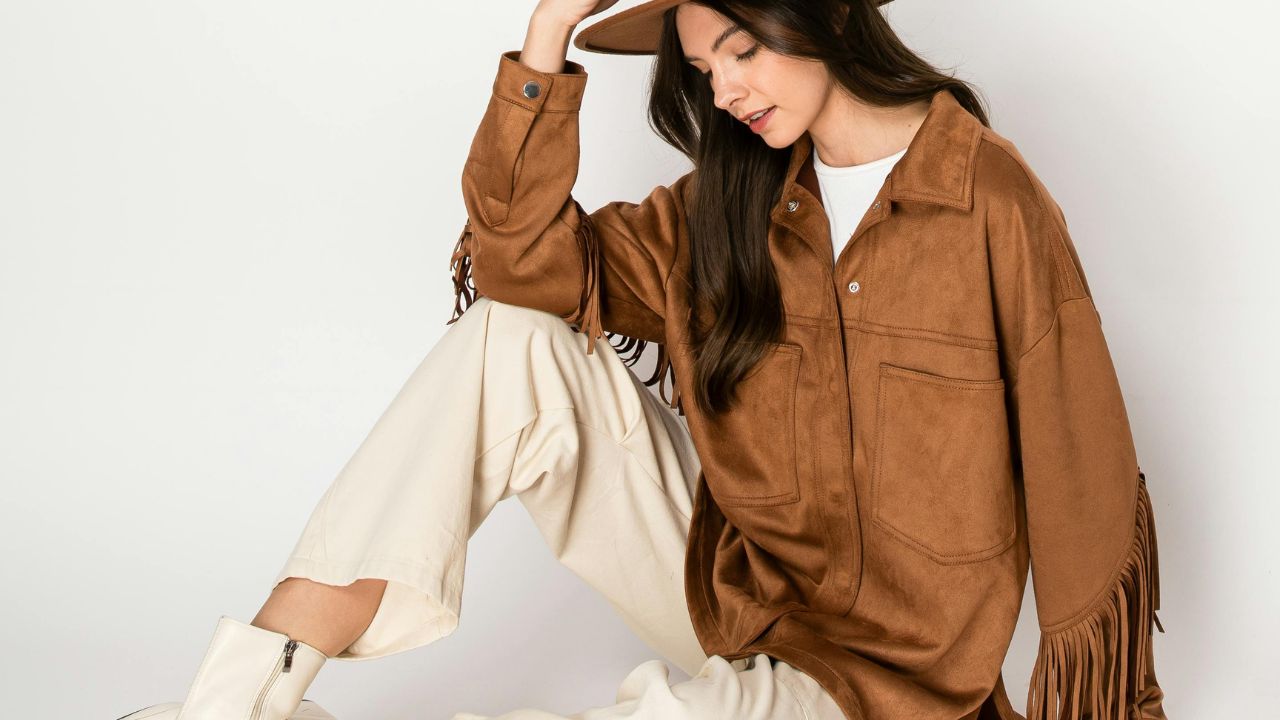
Finding your personal fashion style is about more than following trends or buying expensive clothes. It means understanding what makes you feel comfortable, confident, and authentic. Your style can reflect your personality, lifestyle, preferences, and even your daily routine. Whether you love minimalist outfits, classic clothing, streetwear, bohemian looks, or modern trends, developing a recognizable style takes time. The key is to experiment, identify what works for you, and build a wardrobe around those discoveries. This guide explains practical ways to find your personal fashion style and create outfits that feel genuinely yours.
Understand What Personal Style Means
Personal fashion style is the combination of clothing, colors, patterns, accessories, shoes, and silhouettes you naturally prefer. Unlike fashion trends, which change frequently, personal style is more individual and long-lasting. It does not have to fit into one specific category. You might enjoy classic shirts with modern sneakers or elegant dresses with casual accessories. Understanding that your style can be flexible removes pressure to follow a single fashion label. The goal is to create an appearance that feels natural rather than copying someone else’s wardrobe.
Analyze Your Current Wardrobe
Start by examining the clothes you already own. Look for items you repeatedly wear and identify common characteristics. Perhaps you prefer neutral colors, relaxed silhouettes, fitted clothing, denim, structured jackets, or simple accessories. Also notice which pieces remain untouched in your closet. Clothes you consistently avoid may reveal styles, colors, or fabrics that do not suit your preferences. Separating your wardrobe into frequently worn, occasionally worn, and rarely worn items can make your fashion preferences easier to recognize.
Create a Fashion Inspiration Collection
Collect outfit ideas from fashion magazines, social media, websites, movies, or people whose style you admire. Save images that immediately catch your attention rather than choosing outfits simply because they are currently popular. After collecting several examples, compare them and search for patterns. You may discover that most of your favorite outfits use similar colors, proportions, fabrics, or accessories. Creating a fashion inspiration board is an effective way to identify your visual preferences before spending money on new clothing.
Identify Your Favorite Colors
Color plays an important role in developing a consistent personal style. Think about the shades you naturally choose when shopping and the colors that make you feel confident. You may prefer black, white, beige, navy, gray, earthy tones, pastels, or brighter colors. Building a wardrobe around a few favorite shades can make outfit coordination easier. You do not need to eliminate colors you enjoy occasionally, but having a reliable color palette can give your wardrobe a more cohesive appearance.
Consider Your Lifestyle
Your personal style should work with your actual lifestyle. Someone working in a formal office may need tailored trousers, shirts, blazers, and polished footwear, while someone working from home may prioritize comfortable casual clothing. Consider your workplace, hobbies, climate, social activities, travel habits, and daily responsibilities. Clothing that looks attractive but does not suit your routine will probably remain unworn. The best fashion style balances appearance, practicality, comfort, and personality.
Determine Which Silhouettes Suit You
Silhouette refers to the overall shape created by clothing on your body. Experiment with fitted, relaxed, oversized, straight, cropped, or structured pieces to discover which proportions you enjoy wearing. You might prefer wide-leg trousers with fitted tops or oversized shirts with slim trousers. There is no universal silhouette that everyone should wear. The objective is to discover combinations that make you feel comfortable and confident while creating balanced outfits.
Find Your Signature Pieces
A signature piece is an item that represents your style and can become a recognizable part of your wardrobe. It could be a leather jacket, classic watch, denim jacket, statement bag, tailored blazer, sneakers, scarf, or distinctive jewelry. Signature pieces do not have to be expensive or dramatic. Even a simple accessory can become part of your personal fashion identity when you wear it consistently. Choose pieces that genuinely reflect your preferences rather than items that are popular for a short period.
Experiment With Different Fashion Styles
Do not be afraid to experiment before deciding what your personal style is. Try classic, minimalist, casual, preppy, sporty, vintage, bohemian, edgy, or contemporary outfits. You may discover that you enjoy combining elements from several categories. Fashion experimentation is useful because it helps you understand what feels natural and what does not. Take photos of outfits you try and review them later. This can make it easier to recognize patterns in the combinations you enjoy most.
Focus on Fit and Comfort
Even expensive clothing can look unappealing when the fit is poor. Pay attention to shoulder seams, sleeve lengths, trouser proportions, waist placement, and overall comfort. Clothes should allow you to move naturally without constantly adjusting them. When possible, consider tailoring inexpensive or existing pieces to improve their fit. A well-fitting basic shirt can often look more polished than a fashionable garment that fits poorly. Comfort also matters because clothing you enjoy wearing is more likely to become a regular part of your style.
Build a Versatile Wardrobe
Once you understand your preferences, build your wardrobe gradually. Start with versatile essentials that can create multiple outfits. Depending on your lifestyle, these might include well-fitting trousers, jeans, basic tops, shirts, jackets, comfortable shoes, and a few accessories. Choose pieces that coordinate with several items you already own. A versatile wardrobe reduces unnecessary shopping and makes daily outfit planning easier. Instead of purchasing many random pieces, concentrate on quality, compatibility, and usefulness.
Learn How to Combine Outfits
Developing personal style also involves understanding how individual pieces work together. Experiment with layering, proportions, textures, colors, and accessories. A simple outfit can become more interesting through a jacket, belt, scarf, watch, or carefully selected footwear. Try creating several combinations from the same three or four garments. This approach teaches you how to maximize your wardrobe and encourages creativity without requiring constant purchases.
Avoid Following Every Fashion Trend
Trends can provide inspiration, but they should not control your entire wardrobe. A popular item may look great on someone else while feeling completely wrong for you. Before purchasing a trend, ask whether it matches your existing clothing, lifestyle, and personal preferences. If you genuinely like it, incorporate it selectively. If you dislike it, there is no reason to wear it simply because it is fashionable. Strong personal style comes from knowing which trends to embrace and which ones to ignore.
Shop With a Clear Strategy
Before buying clothing, make a short list of what your wardrobe actually needs. Consider whether the new item works with at least several pieces you already own. Check its fit, material, comfort, versatility, and expected frequency of use. Avoid impulse purchases based solely on discounts or temporary excitement. Shopping with a strategy helps prevent wardrobe clutter and allows you to invest in clothing that supports your personal style.
Use Accessories to Express Personality
Accessories can transform simple outfits and provide an easy way to express individuality. Watches, jewelry, belts, bags, hats, sunglasses, scarves, and footwear can all influence the overall appearance of an outfit. If you prefer understated fashion, choose subtle accessories. If you enjoy making a statement, experiment with distinctive shapes, textures, or colors. Accessories are particularly useful when you want to refresh familiar outfits without purchasing an entirely new wardrobe.
Dress for Confidence, Not Approval
One of the most important parts of finding your fashion style is learning to trust your preferences. Other people’s opinions can be useful, but they should not completely determine what you wear. If an outfit makes you feel confident, comfortable, and authentic, it may be a good choice even if it does not match current trends. Personal style becomes stronger when you stop dressing exclusively for approval and begin choosing clothing that represents who you are.
Review and Evolve Your Style
Your personal fashion style does not have to remain exactly the same forever. Lifestyle changes, new interests, changing seasons, and increased confidence can naturally influence your wardrobe. Review your clothes occasionally and identify what you still enjoy wearing. Remove items that no longer suit your lifestyle or preferences. Treat your style as something that develops over time rather than a fixed category you must define permanently.
Common Personal Style Mistakes to Avoid
Some common mistakes include buying too many trend-based pieces, ignoring fit, choosing clothes only because they are inexpensive, copying another person’s entire wardrobe, and keeping items you never wear. Another mistake is believing that personal style requires a large budget. Good styling is often about coordination and consistency rather than price. Avoiding unnecessary purchases and understanding your preferences can make your wardrobe more practical and visually cohesive.
Frequently Asked Questions
How do I discover my personal fashion style?
Begin by reviewing your existing wardrobe, collecting outfit inspiration, identifying favorite colors and silhouettes, and considering your lifestyle. Experiment with different looks and note which outfits make you feel most comfortable and confident.
How long does it take to develop a personal style?
There is no fixed timeline. Some people recognize their preferences quickly, while others need months of experimentation. Your style naturally becomes clearer as you try different clothing and learn what works for you.
Do I need expensive clothes to have good style?
No. Personal style depends more on fit, coordination, grooming, confidence, and thoughtful choices than on price. Affordable clothing can look polished when it fits well and works harmoniously with the rest of your wardrobe.
Should I follow fashion trends?
Follow trends selectively. Choose trends that genuinely match your personality, lifestyle, and existing wardrobe. You do not need to adopt every popular fashion trend to look stylish.
Final Thoughts
Finding your personal fashion style is a process of discovery rather than a one-time decision. Start with the clothes you already enjoy, identify recurring colors and silhouettes, explore new combinations, and gradually build a wardrobe that supports your lifestyle. Prioritize comfort, fit, versatility, and confidence over temporary trends. Most importantly, allow your style to evolve as you do. When your clothing reflects your personality and makes you feel comfortable in your own appearance, you have taken an important step toward developing a truly personal and lasting fashion style.