
National parks offer some of the best opportunities to experience the planet’s most remarkable landscapes and wildlife. From towering mountains and tropical rainforests to vast savannas and dramatic glaciers, these protected areas showcase nature at its finest. For travelers seeking adventure, photography, wildlife encounters, or peaceful escapes, visiting the world’s best national parks can create unforgettable memories. This guide explores exceptional national parks across different continents, highlighting their scenery, wildlife, activities, and unique attractions.
1. Yellowstone National Park, USA
Yellowstone National Park is one of the world’s most famous national parks and a must-visit destination for nature enthusiasts. Known for geothermal features, it contains colorful hot springs, mud pots, and the iconic Old Faithful geyser. The park also protects extensive forests, lakes, rivers, and mountain landscapes. Visitors may encounter bison, elk, bears, wolves, and other wildlife. Hiking, camping, wildlife watching, photography, and scenic driving are popular activities. Yellowstone is particularly appealing because it combines dramatic landscapes with extraordinary geothermal activity in one vast protected area.
2. Banff National Park, Canada
Banff National Park is a spectacular destination in the Canadian Rockies, famous for turquoise lakes, rugged peaks, glaciers, and alpine scenery. Lake Louise and Moraine Lake are among its most recognizable attractions, offering breathtaking views and excellent photography opportunities. Travelers can enjoy hiking, canoeing, skiing, wildlife watching, and scenic road trips. The park is home to elk, mountain goats, bighorn sheep, bears, and other wildlife. Its combination of accessible trails, dramatic mountain scenery, and outdoor recreation makes Banff one of the best national parks for both first-time visitors and experienced adventurers.
3. Serengeti National Park, Tanzania
Serengeti National Park is one of Africa’s most celebrated wildlife destinations. The park is renowned for vast grasslands and the annual Great Migration, when huge numbers of wildebeest, zebras, and other animals move across the ecosystem. Lions, cheetahs, leopards, elephants, giraffes, and numerous bird species can also be spotted. Safari tours provide opportunities to observe wildlife in natural surroundings while learning about the ecosystem from experienced guides. The Serengeti is particularly attractive to travelers interested in African wildlife, nature photography, and authentic safari experiences.
4. Kruger National Park, South Africa
Kruger National Park is a premier destination for wildlife lovers and safari travelers. Its diverse habitats support an impressive range of animals, including elephants, lions, leopards, rhinos, and buffalo. The park also contains numerous antelope species, reptiles, and hundreds of bird species. Visitors can explore through guided safaris, self-drive routes, walking experiences, and photographic tours. A well-developed tourism infrastructure makes Kruger suitable for different travel styles and budgets. Its combination of wildlife diversity, scenic landscapes, and extensive road networks makes it one of the best national parks to visit in Africa.
5. Torres del Paine National Park, Chile
Torres del Paine National Park is a spectacular wilderness area in Patagonia. The park is famous for its distinctive granite towers, turquoise lakes, glaciers, forests, and dramatic mountain valleys. It is especially popular among hikers who want to experience multi-day trekking routes surrounded by remarkable scenery. Guanacos, foxes, condors, and other wildlife may be seen throughout the region. Weather conditions can change quickly, adding to the adventure. Torres del Paine is an excellent choice for travelers seeking challenging hikes, remote landscapes, mountain photography, and unforgettable outdoor experiences.
6. Fiordland National Park, New Zealand
Fiordland National Park forms part of New Zealand’s spectacular southwest wilderness and is known for dramatic fiords, waterfalls, mountains, rainforests, and lakes. Milford Sound is one of its most famous attractions, while hiking routes such as the Milford Track provide immersive wilderness experiences. The region receives significant rainfall, creating countless waterfalls across its steep cliffs. Visitors can enjoy cruises, kayaking, hiking, scenic flights, and wildlife viewing. Fiordland is ideal for travelers who appreciate dramatic scenery and want to explore one of the world’s most impressive temperate wilderness environments.
7. Galápagos National Park, Ecuador
Galápagos National Park protects a remarkable island ecosystem famous for unique wildlife and evolutionary history. Visitors can encounter giant tortoises, marine iguanas, sea lions, penguins, and numerous endemic birds. The surrounding waters are equally impressive, offering opportunities for snorkeling and diving among diverse marine life. Because of its ecological importance, tourism is carefully managed in many areas. Travelers should follow local conservation guidelines and respect wildlife viewing rules. The Galápagos is an exceptional choice for anyone interested in biodiversity, marine ecosystems, wildlife photography, and nature-focused travel.
8. Yosemite National Park, USA
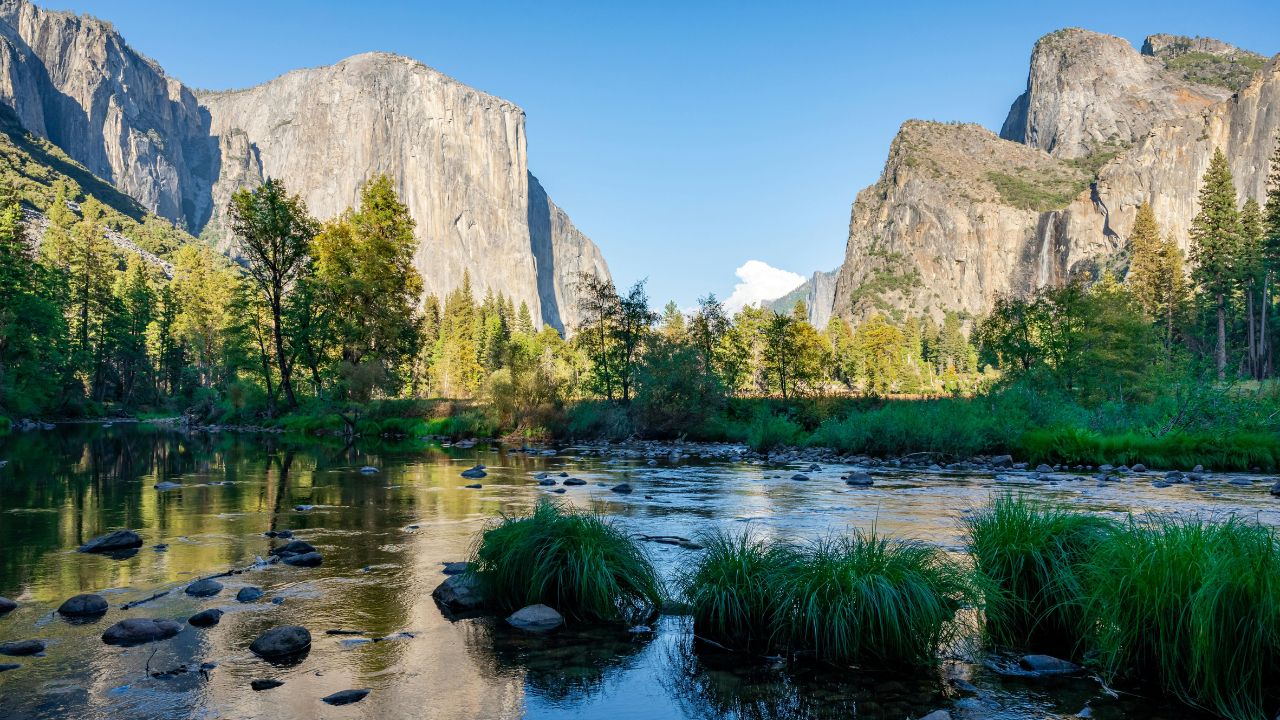
Yosemite National Park is celebrated for granite cliffs, waterfalls, giant sequoias, meadows, and spectacular mountain scenery. Yosemite Valley provides some of the park’s most recognizable views, including El Capitan and Half Dome. Visitors can choose from short nature walks to challenging multi-day hikes. Rock climbing, camping, photography, and wildlife watching are also popular. The park’s diverse elevations create different ecosystems and seasonal experiences. Spring can bring powerful waterfalls, while summer offers extensive hiking opportunities. Yosemite remains one of the best national parks for travelers seeking iconic American landscapes.
9. Jasper National Park, Canada
Jasper National Park offers a quieter alternative to some of Canada’s busiest mountain destinations. Located in the Canadian Rockies, the park features glaciers, forests, alpine meadows, lakes, and dramatic peaks. Visitors can explore scenic roads, hiking trails, canoeing routes, and viewpoints. Wildlife such as elk, bighorn sheep, mountain goats, and bears may be encountered. Jasper is also recognized for its exceptionally dark skies, making it an appealing destination for stargazing. Travelers looking for mountain adventures combined with peaceful wilderness experiences will find plenty to explore here.
10. Plitvice Lakes National Park, Croatia
Plitvice Lakes National Park is famous for a chain of interconnected lakes, waterfalls, and lush forests. Mineral-rich waters have helped create natural barriers and formations that produce the park’s distinctive cascading landscape. Wooden walkways allow visitors to explore the lakes and waterfalls while minimizing environmental impact. The scenery changes throughout the year, offering different colors and atmospheres in every season. Hiking and sightseeing are the primary activities. Plitvice Lakes is an excellent choice for travelers who want a relatively accessible national park with extraordinary water features and picturesque natural scenery.
11. Chobe National Park, Botswana
Chobe National Park is renowned for its large elephant population and diverse wildlife. The Chobe River attracts animals during dry periods, creating excellent opportunities for wildlife observation. Boat safaris offer a unique perspective, allowing visitors to watch elephants, hippos, crocodiles, and birds near the water. Traditional game drives can reveal lions, buffalo, giraffes, and numerous antelope species. The park’s combination of river scenery and abundant wildlife makes it an attractive destination for safari enthusiasts. It is particularly rewarding for travelers interested in photography and close observation of African wildlife.
12. Komodo National Park, Indonesia
Komodo National Park is famous for protecting the Komodo dragon, the world’s largest living lizard. Beyond its unique reptiles, the park features rugged islands, dry savannas, turquoise waters, coral reefs, and beautiful beaches. Visitors can explore selected islands with guides and enjoy snorkeling or diving in the surrounding marine environment. The underwater ecosystem supports colorful fish, coral, and other marine species. Komodo National Park is an excellent destination for travelers who want a combination of wildlife encounters, island exploration, hiking, and tropical marine adventures.
13. Göreme National Park, Türkiye
Göreme National Park is known for its extraordinary volcanic landscapes, fairy chimneys, valleys, and rock-cut structures. Unlike traditional wilderness parks, this destination combines natural formations with remarkable cultural heritage. Visitors can hike through valleys, explore ancient rock churches, and enjoy panoramic views of Cappadocia. Hot-air balloon rides are also a popular way to experience the landscape from above. The unusual combination of geology, history, architecture, and adventure makes Göreme an appealing destination for travelers seeking something different from conventional national parks.
14. Kakadu National Park, Australia
Kakadu National Park is a vast protected area combining wetlands, sandstone escarpments, tropical landscapes, wildlife, and Aboriginal cultural heritage. Visitors can discover ancient rock art, waterfalls, wetlands, and diverse plant communities. The park supports crocodiles, wallabies, birds, and many other species. Guided tours can provide valuable insight into the area’s natural and cultural significance. Hiking, birdwatching, wildlife observation, and scenic exploration are popular activities. Kakadu is particularly suitable for travelers who want to experience Australia’s landscapes alongside its deep Indigenous cultural heritage.
15. Iguazú National Park, Argentina
Iguazú National Park protects one of South America’s most spectacular natural attractions, Iguazú Falls. Hundreds of individual cascades spread across a lush subtropical rainforest, creating an impressive combination of water, mist, and vegetation. Walkways and viewing platforms provide different perspectives of the falls. The surrounding forest supports monkeys, colorful birds, butterflies, and other wildlife. Travelers can spend time exploring trails and viewpoints while learning about the park’s ecosystems. Iguazú is an excellent destination for anyone who wants to combine dramatic waterfalls with tropical nature.
How to Choose the Best National Park
Choosing the right national park depends on your interests, budget, travel season, fitness level, and preferred type of adventure. Wildlife enthusiasts may prioritize destinations such as Serengeti or Kruger, while hikers might prefer Banff, Torres del Paine, or Yosemite. Travelers interested in tropical ecosystems can consider Komodo or Galápagos, whereas those seeking dramatic mountain scenery may enjoy Fiordland or Jasper. Research weather conditions, park regulations, transportation, accommodation, permits, and seasonal closures before booking. A little preparation can make your national park vacation safer, more comfortable, and more rewarding.
Best Activities in National Parks
National parks provide opportunities for many outdoor activities. Hiking is among the most popular because trails can reveal viewpoints, waterfalls, forests, mountains, and wildlife habitats that are inaccessible by road. Wildlife safaris are ideal for observing animals in natural environments, while kayaking and canoeing allow visitors to explore lakes and rivers. Camping provides a deeper connection with nature, and photography is rewarding in almost every landscape. Depending on the destination, travelers may also enjoy snorkeling, diving, climbing, cycling, boating, or stargazing.
Responsible National Park Travel
Responsible tourism is essential for protecting fragile ecosystems. Visitors should follow marked trails, respect wildlife distances, avoid feeding animals, dispose of waste properly, and follow local park regulations. Using reusable water bottles and reducing single-use plastics can also minimize environmental impact. Travelers should avoid removing rocks, plants, shells, or other natural objects as souvenirs. Supporting local guides, conservation programs, and responsible tourism businesses can contribute to nearby communities. Sustainable travel helps ensure that national parks remain healthy and accessible for future generations.
Best Time to Visit National Parks
The ideal time to visit varies greatly by destination. Mountain parks may offer the best hiking conditions during warmer months, while winter can provide snow-based activities and dramatic scenery. African safari destinations often have specific dry seasons when wildlife is easier to observe near water sources. Tropical parks may experience wet and dry seasons that affect accessibility and wildlife activity. Before traveling, check the destination’s climate, wildlife patterns, trail conditions, and official park information. Planning around seasonal conditions can significantly improve your experience.
Essential Tips for a National Park Trip
Prepare carefully before entering a national park, especially if you plan to hike or camp. Carry sufficient water, weather-appropriate clothing, comfortable footwear, navigation tools, basic first-aid supplies, and necessary medications. Keep food securely stored where wildlife is present and learn basic safety procedures for the animals found in the area. Download maps when internet access may be limited. Booking accommodations and permits early is wise for popular parks. Most importantly, respect park rules and never underestimate changing weather or remote terrain.
Conclusion
The best national parks around the world offer extraordinary opportunities to experience wildlife, landscapes, adventure, and cultural heritage. From the geothermal wonders of Yellowstone and the mountain scenery of Banff to the wildlife-rich Serengeti and unique ecosystem of the Galápagos, every destination offers something distinctive. Whether you prefer hiking through rugged mountains, watching wildlife on safari, exploring tropical islands, or photographing spectacular waterfalls, there is a national park suited to your travel style. With thoughtful planning and responsible tourism practices, a national park adventure can become one of the most memorable travel experiences of your life.